Practical guide
What this article covers
Decide which record drawings can support early renovation layouts, what needs field verification, and what an outside modeler should leave unresolved.
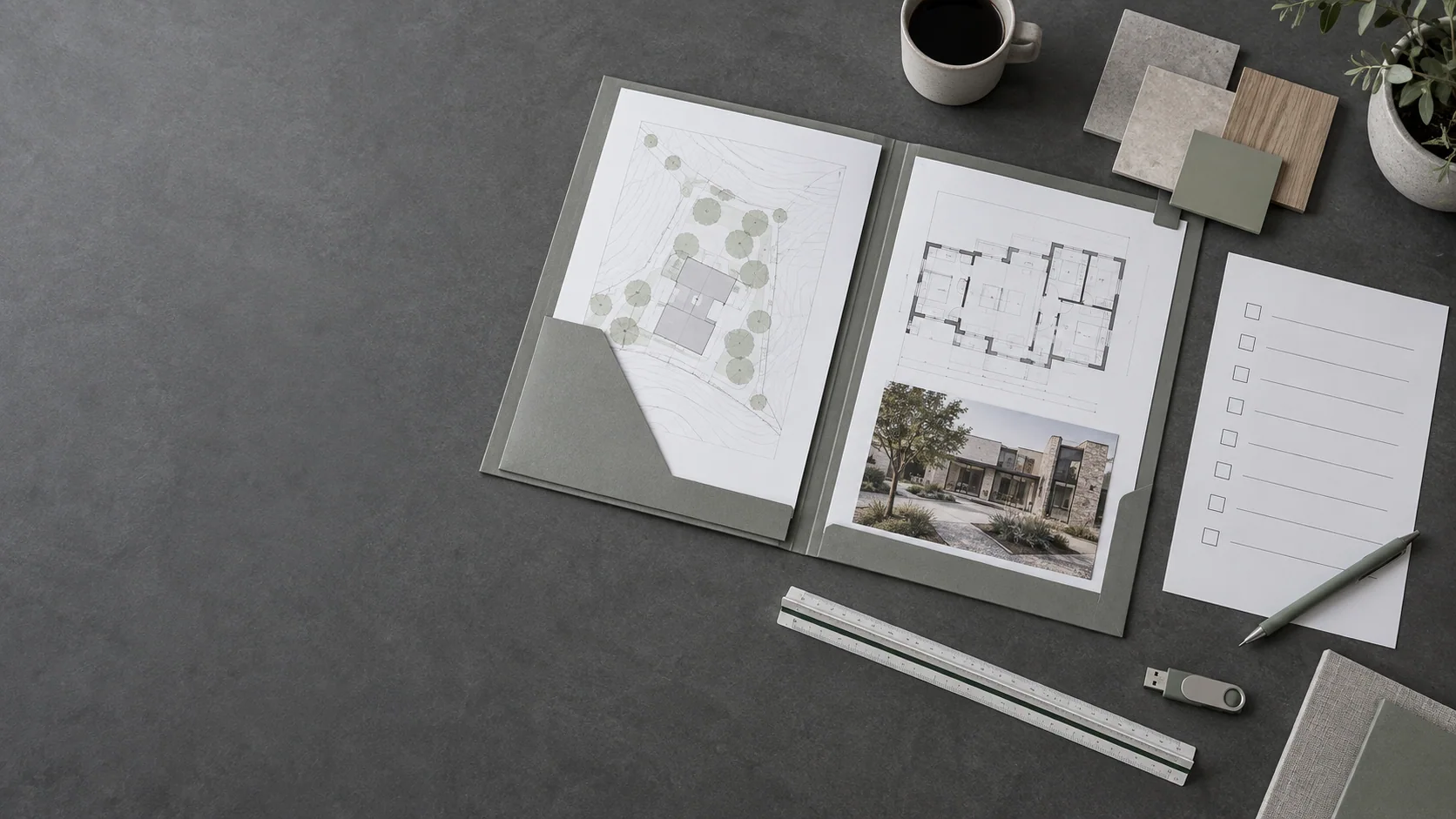
The owner sends a folder marked “as-builts.” Inside are a permit PDF, a leasing plan and photos taken after the last tenant moved out. Your designer needs a background for a test fit. Should you commission a model, request measurements, or use the drawings you already have? Start by asking what decision that background must support.
Match the evidence to the decision
A diagram that compares two furniture arrangements has a different purpose from a detail that fits new millwork between existing columns. For the diagram, a clearly labeled record background may be enough. For the millwork, a tidy CAD line is no substitute for a verified clear dimension. Ask the person using the drawing which unknown could reverse their decision.
Give each source a job
Make a short source register before anyone starts tracing. For each file, record its date if known, what it shows and what it cannot establish. A marketing plan may locate a suite but omit wall thicknesses. A recent photo may show that a door was infilled but say little about the position of the concealed structure.
Where sources conflict, resist the temptation to average dimensions. Put both values beside a reference image and name the decision they affect. A field request that reads “confirm clear width at the east return for the proposed reception desk” is easier to act on than “verify all dimensions.”
Choose the smallest useful field request
If one opening controls the test fit, a targeted measurement by the responsible field team might settle it. If an irregular shell, multiple levels or concealed interfaces affect the whole assignment, discuss survey coverage before setting a modeling scope. Even a scan cannot describe what the scanner never saw. Our existing-conditions study illustrates why an empty patch is not proof of a doorway.
Return a background someone can use safely
Ask for a dated background, a source key, and a short list of areas tagged “record only” or “field verification required.” Keep those tags visible when views are exported. The next reviewer may never open the model or read the original email.
When briefing Scan-to-BIM support, send the intended use alongside the available files. It gives the production team a reason to prioritize a critical junction over a beautifully modeled corner that will never affect the design.
Need help with current production work?
Tell us which drawings, model updates, or renderings need attention and when you need them. We can review the assignment, confirm availability, and explain project-based or monthly support.
Book a project callSend a project brief